01/09/2010: Record Rise in UK Home Solar Panels Fitted
Solar Panels are generating both electricity and money for homeowners.
A record number of homeowners had solar panels installed this month, according to energy regulator Ofgem.
The devices have been fitted to 2,257 homes so far during August, up from 1,700 in July and 1,400 in June.
More than 6,688 homes have had solar panels fitted since April, when the government's scheme to reward people who generate their own energy altered.
The Feed In Tariff system now enables homeowners to receive 41.3p for every unit of energy they generate.
This is regardless of whether they use the energy or sell it back to the National Grid.
After the panels are installed, the tariff is paid for 25 years and increased in line with inflation.
This replaces the previous system, under which people could obtain grants to help cover the cost of installing the green technology.
According to the Energy Savings Trust, solar panels usually cost between £6,000 and £12,000 to buy and install, depending on their size.
The panels most commonly installed by homeowners, consisting of eight* panels able to generate up to 2.5kW, cost between £10,000 and £12,000.
The trust calculates such panels could generate about £700 a year from the Feed In Tariff, as well as saving homeowners about £100 a year on energy bills.**
In addition, people could make about £25 to £30 through selling unusued energy back to the National Grid.
* Solarsense believe this to be inaccurate. A 'commonly installed' 2.5kWp system will usually require between 12 and 14 panels, depending on the individual panel output.
** A average estimate of earnings for a 2.5kWp system according to the government's SAP calculator would be £877.60, and a household paying 12p per kWh (unit) for their national grid electric and using 50% of the energy generated by their PV system would save £127.50 on their energy bill per annum.
31/08/2010: New Solarsense Premises
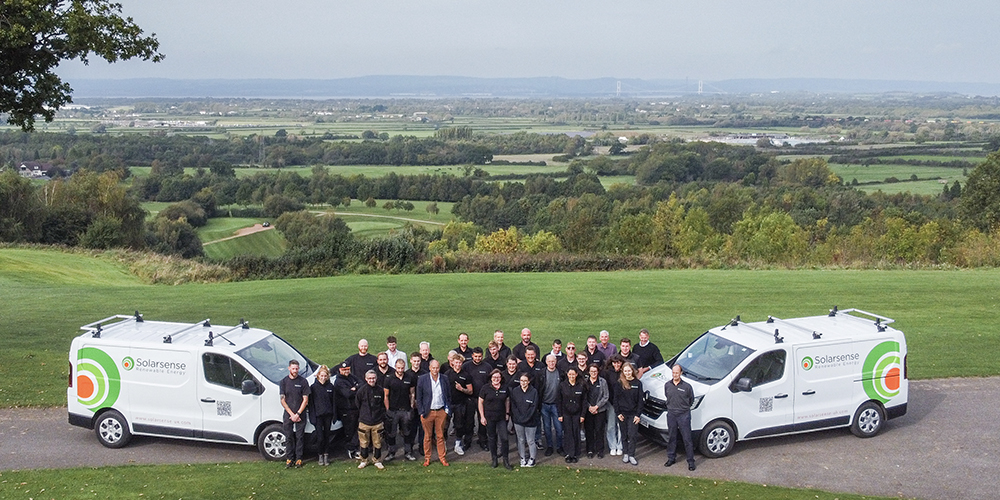
Solarsense gets the keys to its new warehouse and office facility near Bristol
After a few months of legal wrangling over way-leaves and rights of way, we have finally taken ownership of our new office facility near Bristol at Chelvey.
The 10,000ft² premises will allow us to manage the flow of goods far more effectively than we have to date. As much as we have enjoyed our location in the listed-buildings of the Long Ashton Business Park, it has been a limiting factor in our growth for some months, and we look forward to expanding into our new premises.
We hope to have a showroom, including external test and display roofs where our equipment will be showcased, and where we can provide on-site testing of, and training on our products. This will allow the public to come and view the products in a relaxed and pleasant environment, just off the main A370 and close to Bristol Airport.
We are aiming for the move to take place in mid September, and will be posting details here as soon as suitable
16/08/2010: Buying Solar Panels Yourself Is Better
Free solar panels sound good, but buying them yourself is better
Companies are keen to install free solar panels, but paying for it yourself could earn you more than £35,000 over 25 years
It is an offer that sounds almost too good to refuse. A company will install £15,000-worth of solar panels on your roof absolutely free; in return you get £150-£230 worth of free electricity for the next 25 years.
The last few weeks have seen the launch of a clutch of companies vying to install a complete electricity-generating system on your home either free, or for a £500 payment. Isis Solar, HomeSun and A Shade Greener, are hoping to grab the owners of the most suitable roofs, and you can expect more firms to come into the market.
So far, they have enjoyed a blaze of positive publicity and say they are planning to install solar panels on more than 120,000 roofs by 2015. But why should a private company be so happy throwing money at you?
What they're after is the super-lucrative "feed-in-tariffs" (Fits) worth £900 to £1,450 a year they will be paid for covering your roof in photovoltaic cells. Ever since the Labour government announced the introduction of Fits in February, City investors and at least one hedge fund have been looking at ways to cash-in on the deals that have transformed solar take-up in other parts of Europe. This is now happening in Britain.
So what is the 'free' deal?
If you can't raise the cash to install solar panels yourself, and you have a suitable roof (see below) it is, on the face of it, a great offer. You don't have to do a thing, apart from put up with a few days' disruption and make the odd cup of tea for the installers.
In return for signing a 25-year agreement to house the panels, you will get the electricity generated by the system during the day, assuming you're in the house to use it. Bill Sneyd of HomeSun says most users will save about 30% of their bill, though by changing behaviour (running washing machines etc during the day) you can increase this substantially. As electricity prices rise, the savings will grow.
"Mothers at home with small children, the retired, and home-workers will clearly benefit most," he says.
The installers will monitor and maintain the panels (these systems need very little maintenance) and insure them against theft or vandalism. The householder has to agree to keep them for the full term, and if the house is sold, the panels are passed on to the new owner.
However, at the end of the 25-year period, the owner will keep the panels. They won't get any Fits, but will probably still generate electricity, and produce some income for any power exported back to the grid.
What type of roof works?
The companies are looking for the most productive roofs, and if yours doesn't fit the bill, you will be turned down. You need to have a roof with up to 30 square metres of usable space. It will have to be almost exactly south-facing and entirely unshaded – no trees/ telegraph polls etc – and, ideally, at a pitch of around 40 degrees. Telegraph wire shading may be acceptable.
HomeSun is only looking for houses as far north inland as Nottingham, and up to Hull and Liverpool on each coast. You need a strong roof; the installers are unlikely to pay for any strengthening required, though this is rarely needed. Houses in conservation areas or that are listed and face planning constraints, will similarly be overlooked. If you have a roof that has good potential, but is not the best, HomeSun will install a smaller system for £500, plus a £5/month charge.
What's the downside?
If you're rarely at home during day, the savings will not be as big as claimed. Also you may have difficulty selling your home, despite the promise of lower bills. Bizarre as it might seem, some people have reported having to remove solar panels to get a buyer to complete. (These systems are quite big, and will radically change the look of your property.)
Consumer Focus has produced a guide on its website which includes all the questions you should ask before signing on the dotted line. It says if you in any doubt get a solicitor to check the contract. A key question is whether you can buy out the system, and gain the Fits, after it has been installed.
What do the companies make?
In return for their investment, likely to be £11,000-£16,000 depending on the size of the system, they pocket the lucrative Fits for every unit of electricity generated –currently 43.1p per KWh irrespective of whether you consume the power at the time or not. Once you add in the export tariffs (for power not used), the total payments are worth about £900-£1,450 a year. These are guaranteed for 25 years, are payable via the utility company, and will rise in line with inflation. By any stretch of the imagination, the companies are making a great return from your roof.
If I install the panels myself can I take this money?
Yes – and if you have a suitable roof, plus the ability to raise £15,000, this is what you should do. Current remortgaging rates are no more than around 5%-6%, and often lower, but even if you end up paying 12% interest you will still make a huge profit. Most calculations suggest buyers will be able to pay off the costs after nine to 10 years, depending on how much they pay for finance. Most households will make a risk-free profit of £20,000 over the 25 years while enjoying lower electricity bills.
What do the experts say?
Cathy Debenham, who runs a website devoted to helping people thinking of installing this, and other similar technology, yougen.co.uk, says the introduction of the "free" installers is an "interesting development".
"The main problem with Fits was that it was limited to those who could afford the big up-front costs, and anything that opens it up to a wider audience has to be a good thing. That said, I recently installed a 2kW system and worked out that it would have covered its costs after nine years. I prefer to keep control of the payments."
Solar energy expert, Richard Drinkwater, a director with of Mipower, based in Shrewsbury, Shropshire, is more robust. He warns that homeowners will lose out on tens of thousands of pounds if they take out these superficially generous deals.
"Effectively, customers using a company offering a 'free' solar photovoltaic system may be getting around £230 free electricity per year, but may not appreciate they are giving away a cash income of more than £35,000 over 25 years from a system that would cost around £15,000."
"Fits will typically pay back the cost of a big 4kW system within 10 years. A recent customer had a 2.6kW system fitted at a cost of just over £11,000. He paid a small deposit and borrowed more than £9,000 from his building society. He got a five-year deal which costs him just over £170 a month and knows that after five years the system is his."
Simon Osborn, policy adviser at Which?, agrees that if you have the means to pay for solar panels yourself, then you may well be better off.
What does Money think?
If you have a suitable roof and a half decent credit history, you should have the panels installed yourself. This is one investment worth going into debt for – and you can buy a system from the "free" installers, allowing you to take the lucrative Fits yourself.
If you don't think you will ever be able to raise the cash, it still might be worth waiting. The government's green loans programme, or the power firms, may yet offer loans to those wanting to install solar panels. If that happens, it will offer cheap loans to anyone with a suitable roof, regardless of credit history, as repayments will be deducted from the Fits.
Alternatively, other firms may yet enter the market and offer a better deal, including a share of the Fits.
That said, there is a suggestion that the Fits will not be around forever. There is a risk that the scheme will be scaled back or axed, but it's likely this would only affect those installing systems after that date.
In other words, if you install now, you'll pick up the Fits for its life, but someone installing in a few years' time may not be so lucky.
Case study: electricity bills drop £10 a week"
One woman who is very pleased she signed up for "free" solar panels is Karen Ward. The 45-year-old, who lives with her husband and four other members of her extended family, says her weekly electricity bills have fallen by around £10 a week since the panels were installed.
The family, who live in Borehamwood, Herts, rent from a housing association and were promised "free" electricity in return for letting Eaga install the panels on their roof, as part of its clean energy programme which is designed to provide free solar to social housing tenants. "Our neighbour had it done first and I noticed she was spending much less than I was on electricity, so I thought why not," Karen says.
She says that the installation took about a week and she now has two small meters next to the prepay meter. There is also new box (inverter) in the roof.
"It was all very painless and the savings have been good. We pay for our electricity using a keycard which we load at the local shop. I used to be putting £15-£20 a week on it, now it's closer to £5. With six of us, the washing machine is always on. I'm at home during the day looking after my grandson, which means we get the most benefit, although it has probably helped that it has been a sunny summer," Karen says.
She is now planning to turn off the central heating in winter, and to try and use an electric heater to take advantage of the free electricity.
"If someone offers you this, go for it. There's no downside that we've come across."